


When choosing any supplement, it's natural to wonder about side effects. After all, if you're planning to take a supplement every day, like a dedicated calcium supplement, you want to feel confident in its benefits and in its safety.
The good news is that calcium from red marine algae is generally considered safe and is tolerated well when used as directed. As with any supplement, it's worth learning more about what algae calcium is, how it's used, and what factors can influence your experience.
Key Takeaways
- Red algae calcium is considered safe for use in dietary supplements.
- Most people tolerate algae calcium well when taken as directed.
- Following the suggested serving size is important for maintaining appropriate calcium intake.
- Quality sourcing and testing matter when choosing your calcium supplement.
What is algae calcium?
Algae calcium is a plant-based source of calcium processed from red marine algae. As the algae grow in their ocean environment, they naturally absorb minerals from seawater and become rich in calcium. This makes the algae an ideal source of whole-food calcium for supplements.
Algae calcium is different than conventional calcium carbonate sourced from limestone. While limestone just includes basic calcium in isolated form, algae calcium is packed with 70+ other naturally occurring trace minerals, such as magnesium, vanadium, and strontium.
Why do people ask about algae calcium side effects?
People researching different types of calcium may want to know what to expect before adding another product to their routine.
It's a reasonable question. Calcium supplements are often taken every day, sometimes for years, making tolerability an important part of the conversation. People commonly ask about concerns such as bloating, constipation, or gas when researching calcium supplements.
Is algae calcium safe?
Yes! Marine-derived algae calcium is considered to be safe for use in dietary supplements.
One of the most studied forms of algae calcium comes from mineral-rich waters around Iceland, where red marine algae (Lithothamnion) naturally accumulate calcium and trace minerals over time. Safety evaluations support its use in foods and dietary supplements as a source of dietary calcium.
As with any supplement, the source matters. High-quality manufacturers test ingredients for identity, purity, and consistency to help ensure products meet established quality standards. New Chapter is the #1 natural calcium brand†, and we take this testing very seriously. New Chapter plant calcium products, such as Bone Strength Take Care™, are routinely tested for quality, identity, and composition.
Does algae calcium cause digestive side effects?
Most people tolerate algae calcium well when taken as directed. Calcium carbonate from algae is used in certain high-quality calcium supplements. Of course, individual experiences can vary. Be sure to talk to your healthcare provider if you have questions about any supplements.
Why serving size matters
More isn't always better when it comes to calcium.
Your body needs calcium, definitely. But it's important to stay within recommended intake ranges and follow the directions on the product label. People sometimes take multiple supplements that contain calcium, which can unintentionally increase total intake. Plus, there’s calcium in many common foods, such as dairy, dark greens, fortified plant milks, and even mineral water.
That's why it's a good idea to:
- Follow the suggested serving size
- Account for calcium you get from food
- Review other supplements in your routine
- Discuss supplements with your healthcare provider
Algae calcium is intended to help support daily calcium intake. New Chapter’s calcium products deliver less than 100% Daily Value because we’re accounting for the calcium in people’s daily eating patterns.
When should you talk with your healthcare provider?
For generally healthy adults, algae calcium is widely used as part of a daily wellness routine. It’s smart to check in with your healthcare provider if you:
- Have a medical condition that affects calcium metabolism
- Have a history of kidney stones
- Are pregnant or breastfeeding
- Take prescription medications
- Have questions about your personal calcium needs
Quality and sourcing matters
Not all calcium supplements are created the same way.
When evaluating an algae calcium supplement, you can check the calcium amount on the label. Then, consider where the ingredient comes from, how it's tested, what claims and certifications are on the label, and what other nutrients are included in the formula.
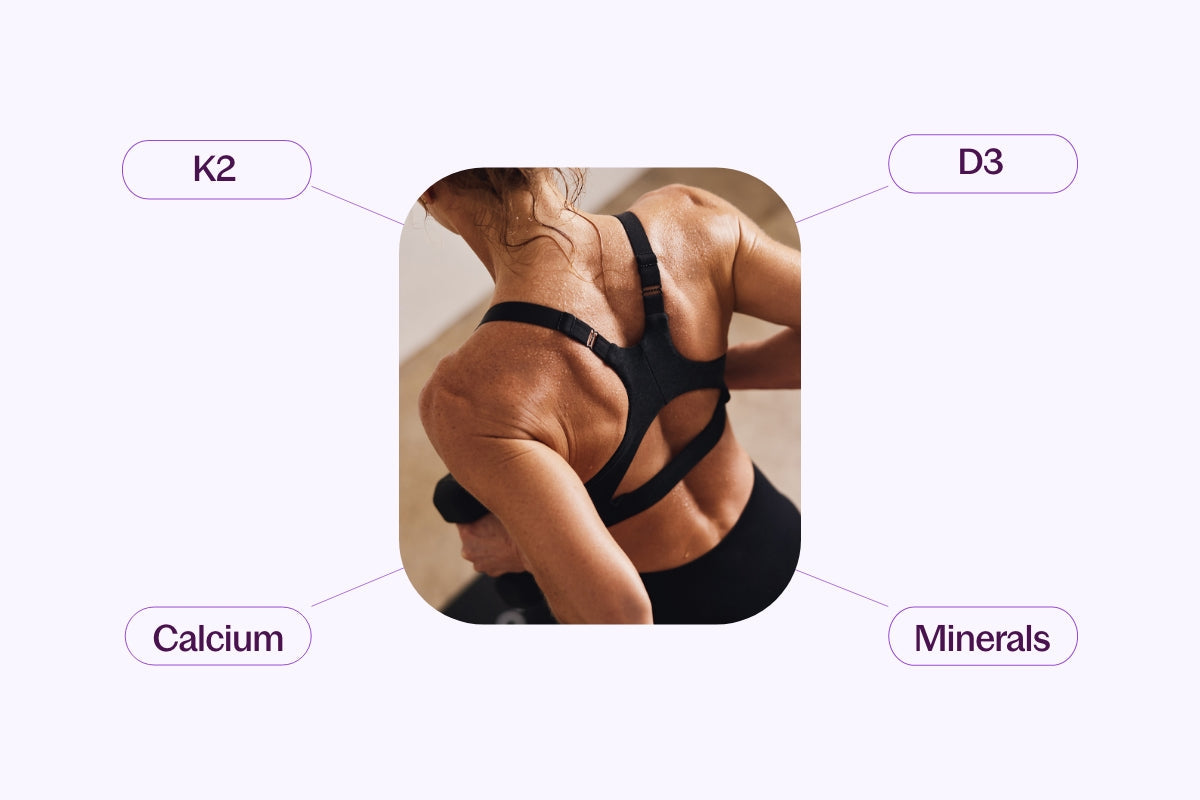
New Chapter's Bone Strength Take Care® uses clinically studied plant-based calcium processed from red marine algae harvested in Iceland. This is the most studied form of plant calcium, backed by 27 scientific studies and researched by international experts in orthopedics, sports medicine, and physiology. What’s more, it’s USDA Organic and Non-GMO Project Verified, and it’s enhanced with vitamins D3 and K2 for proper calcium absorption.
New Chapter has been making Bone Strength Take Care for almost two decades. It’s a trusted product from a trusted brand.
The bottom line
For most people, algae calcium is a well-tolerated source of supplemental calcium that is considered safe.
The most important things to watch are overall calcium intake, supplement quality, and whether the product fits your individual health needs.
If you'd like a deeper look at calcium, vitamin D3, vitamin K2, and how they work together to support bone health, explore our complete guide to Bone Health Supplements.
† Leading natural calcium brand in FDMC based on total Nielsen $ sales in the latest 52 weeks through 5/23/2026.